
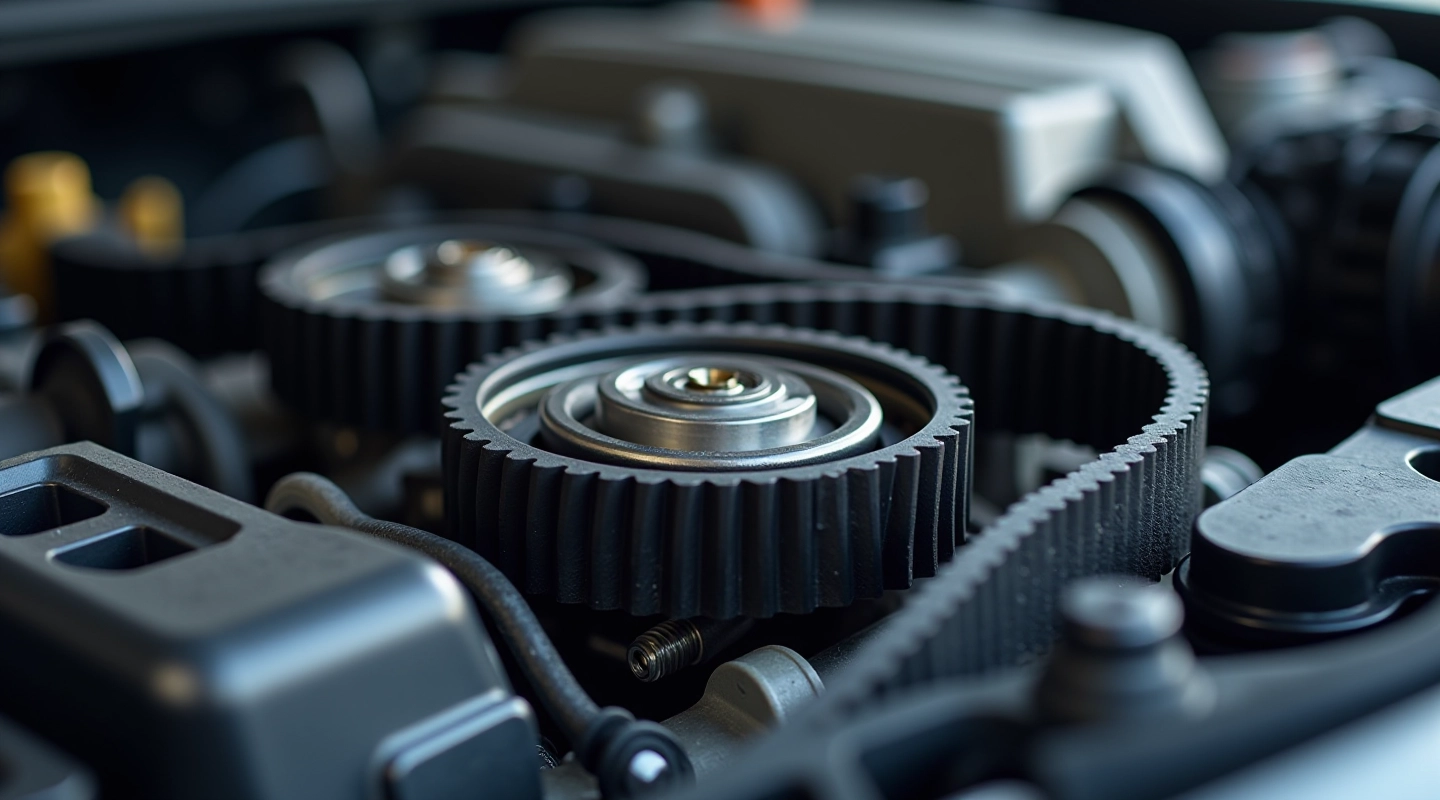
When to Replace Your Timing Belt: Signs and Schedule
Understanding timing belt wear patterns helps you avoid expensive engine damage. Learn the warning signs and recommended replacement intervals.
Breaking down the real differences between original manufacturer parts and aftermarket options — what actually matters for durability, reliability, and avoiding counterfeit products in Ostrava.
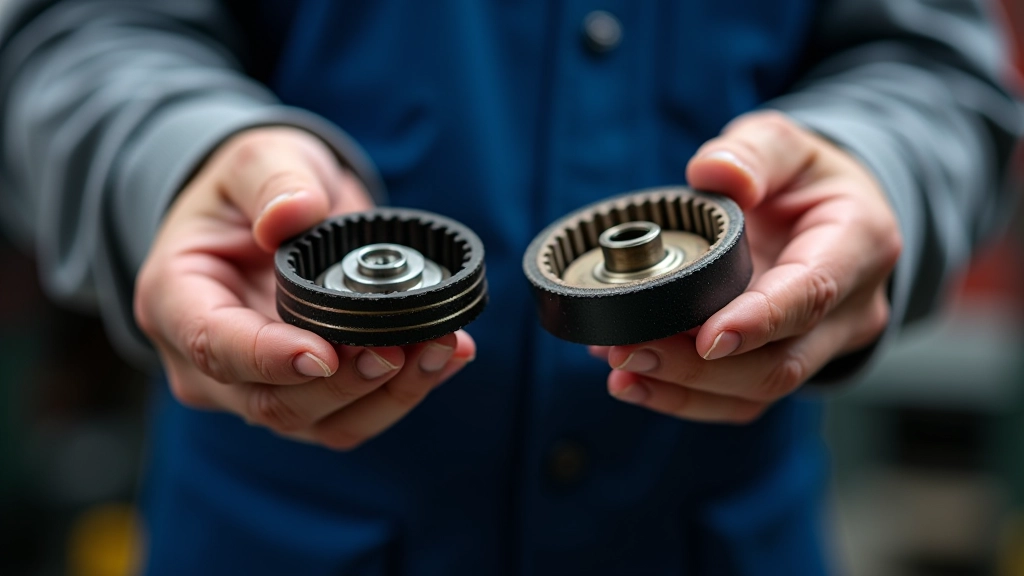
When your timing belt needs replacement, you're faced with a decision that seems simple but carries real consequences. OEM parts cost more. Aftermarket parts cost less. But it's not just about price — it's about what happens inside your engine when that belt starts to wear.
We're going to walk you through what actually distinguishes these two options. No marketing speak, no exaggeration. Just the practical details you need to make the right choice for your vehicle.
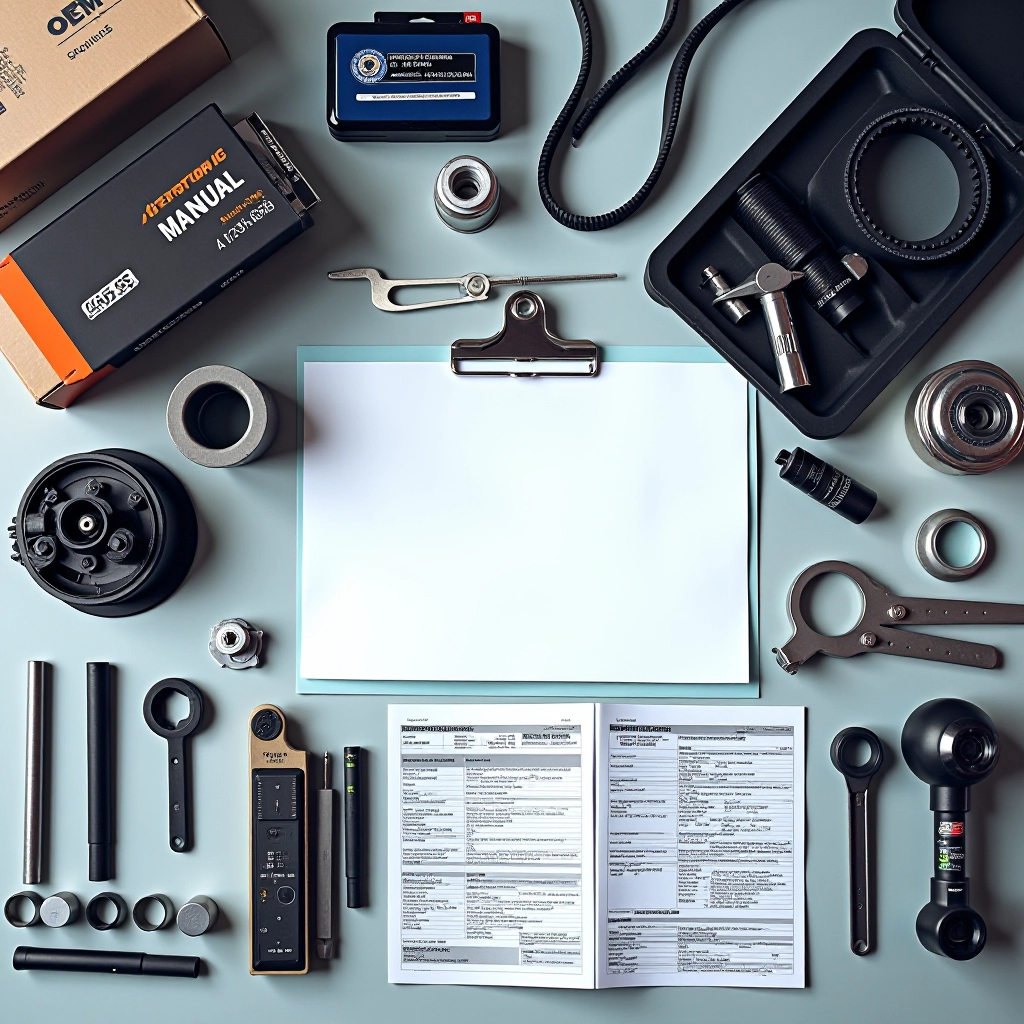
OEM parts are made by your vehicle's manufacturer. Aftermarket parts are made by independent suppliers. The difference isn't just the label on the box — it's the engineering, materials, and testing that went into creating the part.
OEM (Original Equipment Manufacturer) parts are engineered by the company that built your car. When your vehicle rolled off the assembly line, it had OEM parts. These belts are designed to exact specifications for your specific engine model.
Here's what that means in practice. The rubber compound is formulated for your engine's heat patterns. The teeth are shaped to match your pulley system exactly. The tensioner is calibrated for your vehicle's specific needs. You're getting a part that was designed alongside your engine, not adapted to fit it.
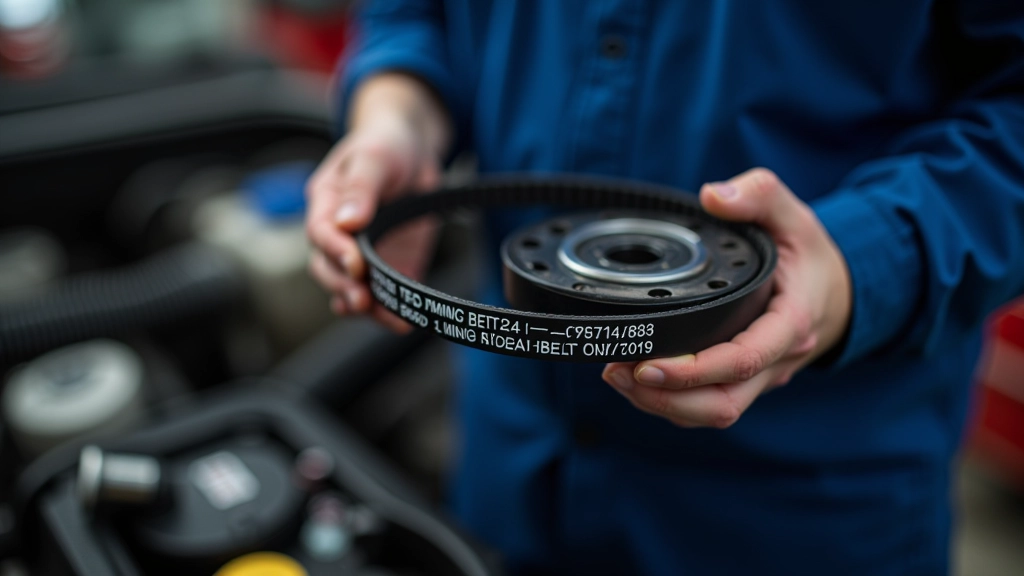
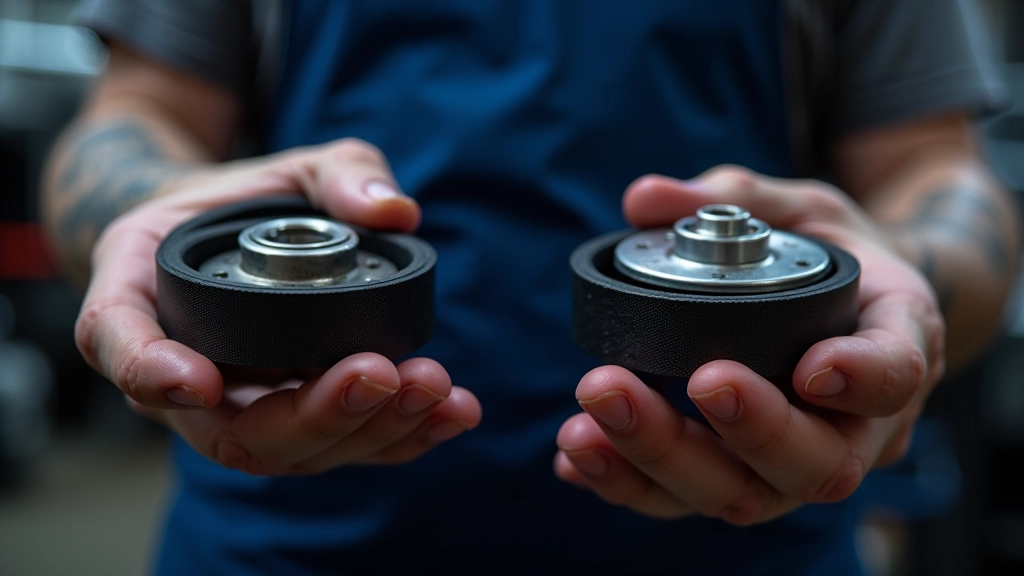
Aftermarket parts are made by independent manufacturers. They're not affiliated with your vehicle's manufacturer. Companies like Gates, Dayco, and Bando make timing belts for multiple vehicle models using similar materials and processes.
The thing is, quality varies significantly in the aftermarket world. Some aftermarket belts are genuinely excellent — they'll last just as long as OEM parts and cost 30-40% less. Others are budget-focused and won't make it to 80,000 miles. The real challenge is knowing which is which without spending weeks researching part numbers.
Editorial Team
Written by the luxiaxis editorial team, focused on clear, honest guidance about timing belt replacement and water pump service.
Here's something that doesn't get talked about enough. Fake timing belts exist. Counterfeit parts that look authentic but fail within months. They're typically sold through questionable online retailers or unvetted parts suppliers.
In Ostrava, working with a trusted local mechanic largely solves this problem. They source parts from verified distributors. They know which suppliers are reliable. You're not rolling the dice on a part you ordered from an anonymous website.
So which should you actually choose? The answer depends on several real-world factors.
If your car is older and you're not sure how much longer you'll keep it, a quality aftermarket belt makes sense. You'll save money and get reliable service. But if you're planning to drive this vehicle for another 5-10 years, OEM becomes more attractive because you won't face another replacement down the road.
Timing belt replacement isn't cheap when you factor in labor. A mechanic's time typically runs 3-5 hours. If you're already spending 600-900 EUR on labor, the difference between a 200 EUR OEM belt and a 120 EUR aftermarket belt might not be worth the risk. But that calculation changes if you're looking at a 1200 EUR OEM belt versus a 700 EUR aftermarket option.
Not all aftermarket brands are created equal. Gates has been making timing belts since the 1920s. Dayco is another established name. Bando makes quality parts. These brands have decades of engineering experience. They're not the same as some no-name supplier making belts in an unvetted factory.
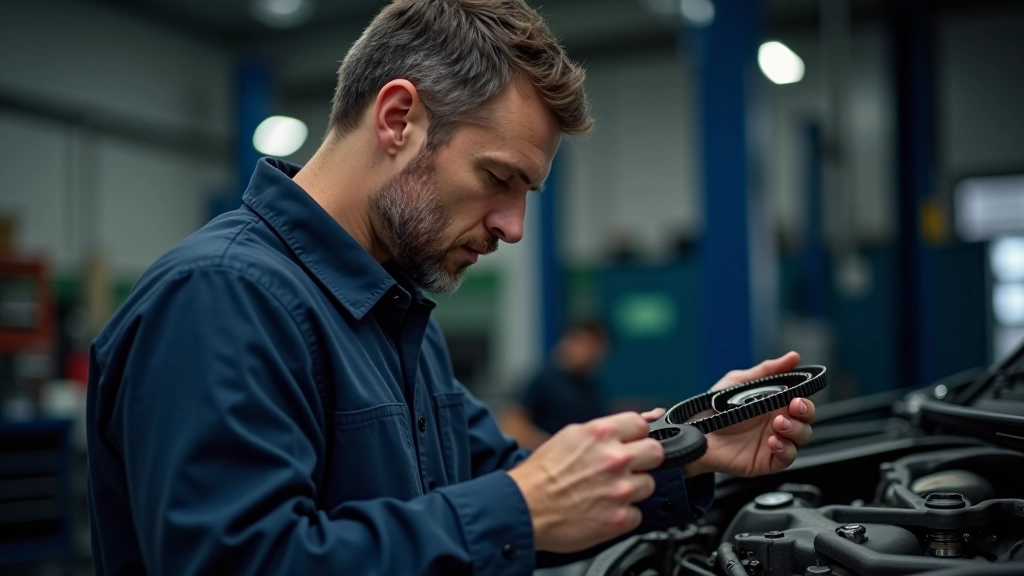
Continue learning about timing belt replacement and maintenance
Understanding timing belt wear patterns helps you avoid expensive engine damage. Learn the warning signs and recommended replacement intervals.
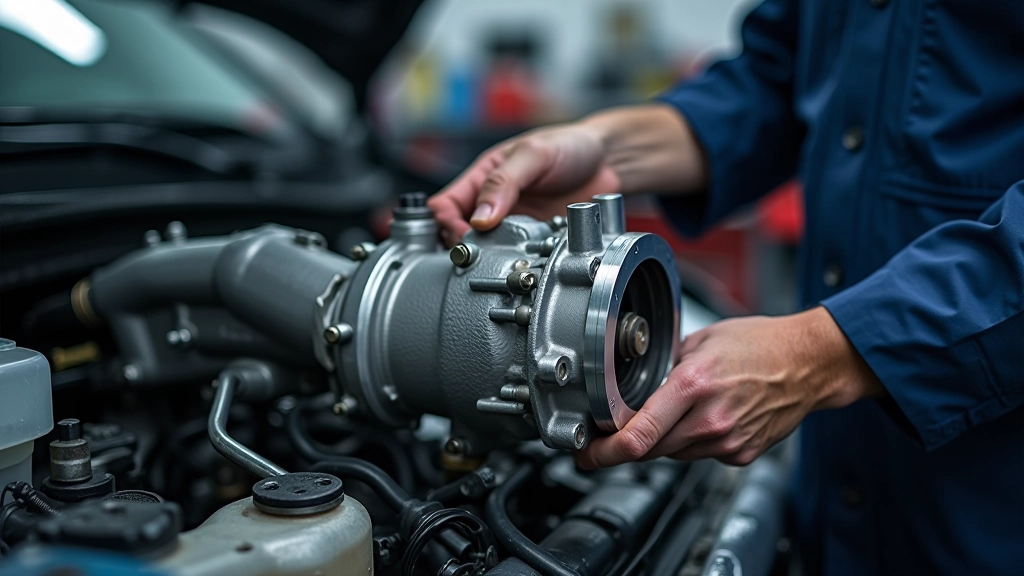
Learn why mechanics recommend replacing your water pump during timing belt service. It's about preventing future failures and maximizing your investment.
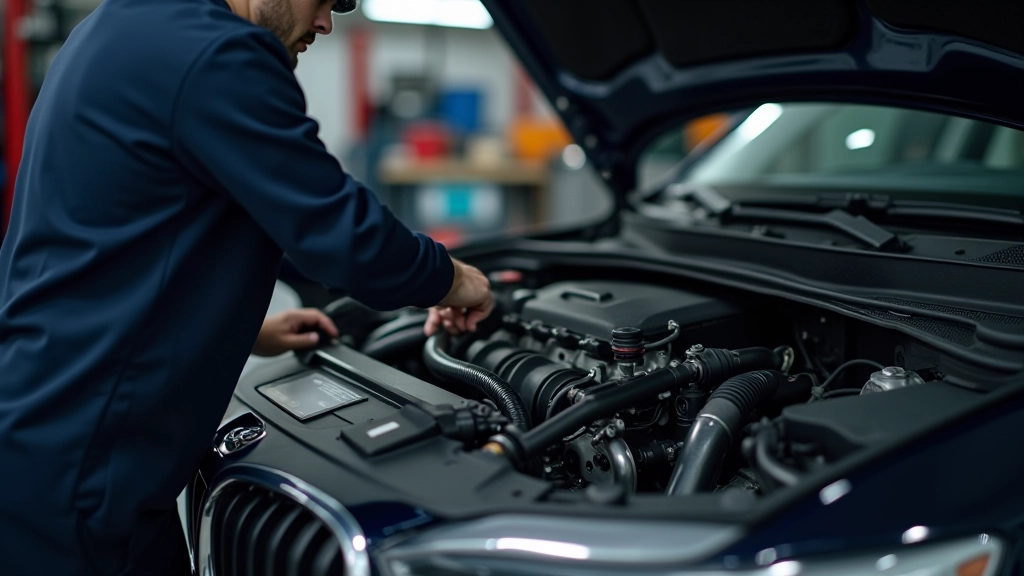
A practical breakdown of timing belt replacement costs — parts, labor, and additional work that might be necessary. Real numbers for Ostrava.
OEM parts cost more because they're engineered specifically for your vehicle. Aftermarket parts cost less because they're designed to fit multiple models. Both can work reliably — but you're taking on more risk with aftermarket, especially if you buy from an unreliable source.
Here's what we recommend: If you're working with a trusted local mechanic in Ostrava, talk to them about it. They've installed hundreds of timing belts. They know which aftermarket brands are solid and which are sketchy. They can source parts from verified distributors. They're not trying to maximize profit — they're trying to keep your car running reliably.
And honestly? Don't get too caught up in the price difference. Whether you spend 200 EUR or 350 EUR on the belt itself, you're already paying 600-900 EUR for labor. The real savings comes from doing the job right the first time and not needing another replacement in a few years.
Need a timing belt replacement? Contact a trusted mechanic in Ostrava today.
Get in TouchThis article is provided for educational purposes to help you understand timing belt options and maintenance considerations. The information presented reflects general automotive practices and is not specific technical advice for your particular vehicle. Vehicle specifications, requirements, and recommendations vary based on make, model, year, and engine type. Before making decisions about parts or repairs, consult with a qualified automotive technician who can assess your specific vehicle and provide personalized guidance. Prices and availability mentioned are illustrative and subject to change.