
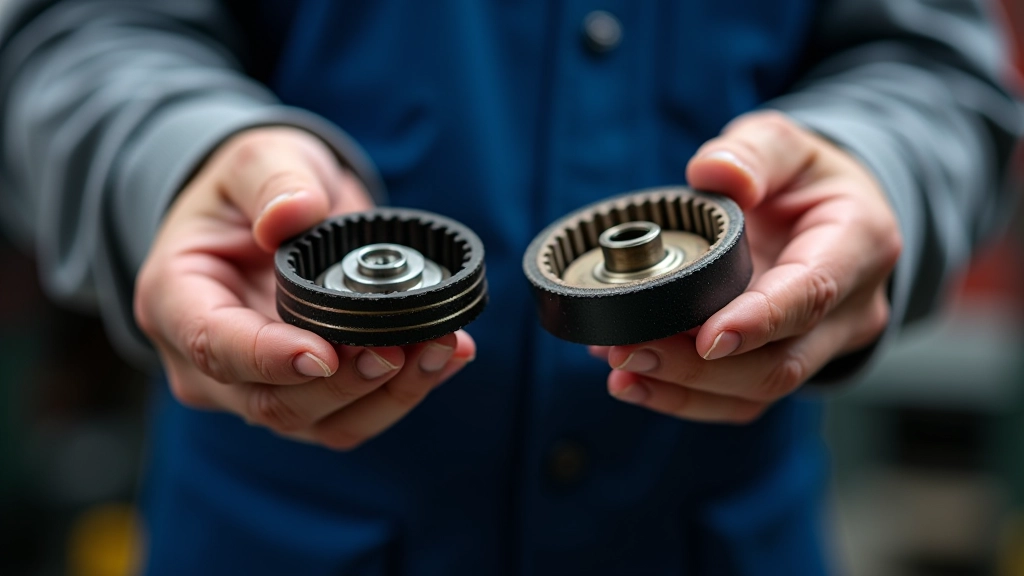
OEM vs Aftermarket Timing Belts: Which Should You Choose
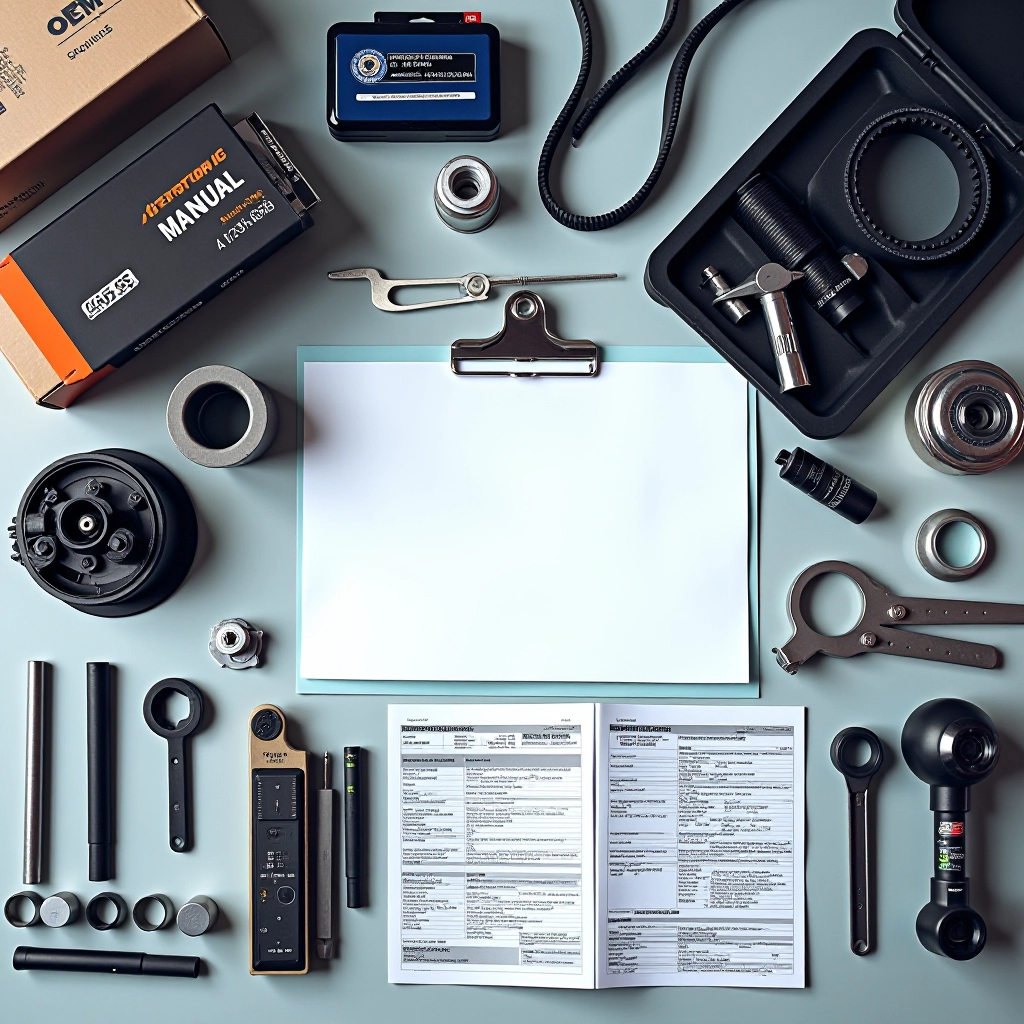
Breaking down the differences between OEM and aftermarket parts — what matters for reliability and how to make the right choice for your vehicle.
Understanding timing belt wear patterns helps you avoid expensive engine damage. We cover the warning signs, manufacturer intervals, and what to expect during replacement.
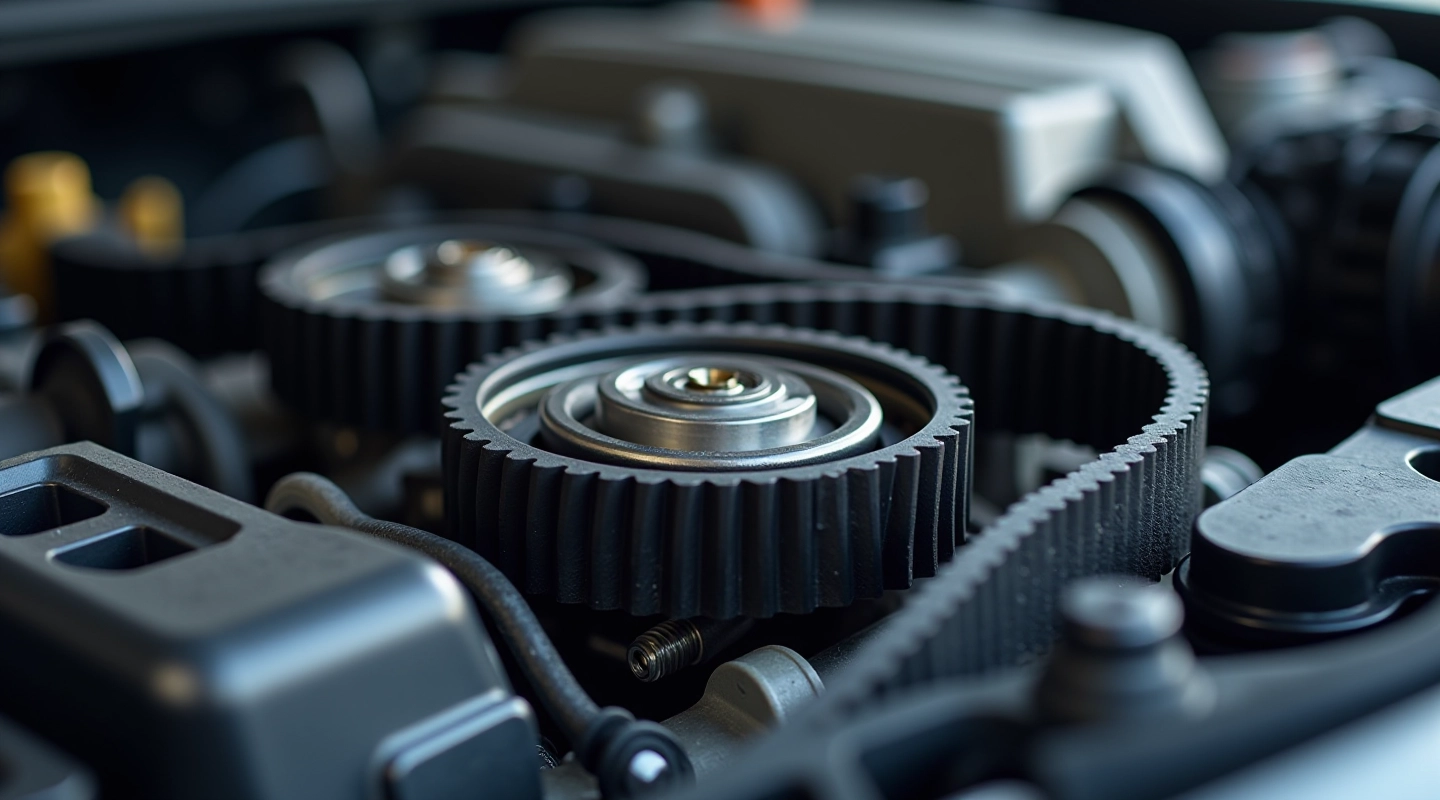
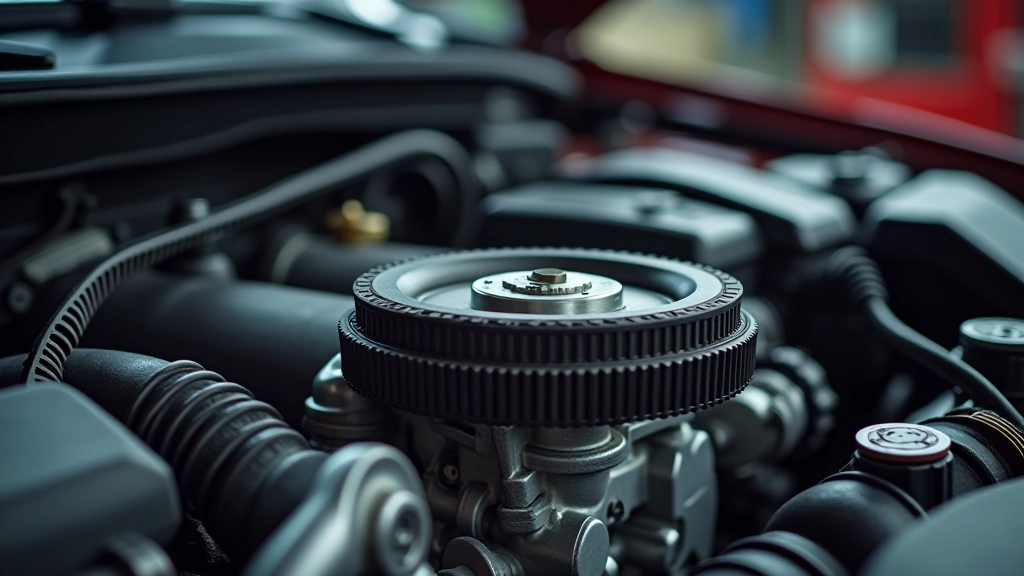
Your timing belt synchronizes your engine's crankshaft and camshaft rotation. It's a rubber component with reinforced teeth that keeps everything in precise timing. When it fails — and they all do eventually — the results are catastrophic. We're talking bent valves, damaged pistons, and repair bills that can exceed the car's value.
That's why knowing when to replace it isn't optional. It's one of those preventative maintenance tasks that saves you thousands of dollars and countless headaches down the road.
Most timing belts last between 60,000 and 100,000 miles, though some vehicles stretch to 120,000 miles. Check your owner's manual for your specific interval — don't guess.
Even if you haven't hit your manufacturer's recommended mileage, certain symptoms suggest your timing belt is deteriorating. Don't ignore these red flags.
A rhythmic ticking that gets worse when you accelerate is often the first sign. The belt teeth are slipping against the pulleys. You'll hear it near the front of the engine where the timing belt cover sits.
The timing belt cover gasket can fail, especially in older vehicles. If you notice a trail of oil under the front of your car, have it inspected. Sometimes it's just the gasket, but it's worth checking the belt condition while you're in there.
When the belt starts slipping, valve timing drifts out of sync. Your engine won't run smoothly — you'll feel hesitation during acceleration or notice rough idling. The check engine light might appear.
A worn belt loses tension. Your starter works harder to turn the engine over because the timing is off. If your car's been reliable but suddenly needs multiple turns to start, this could be it.
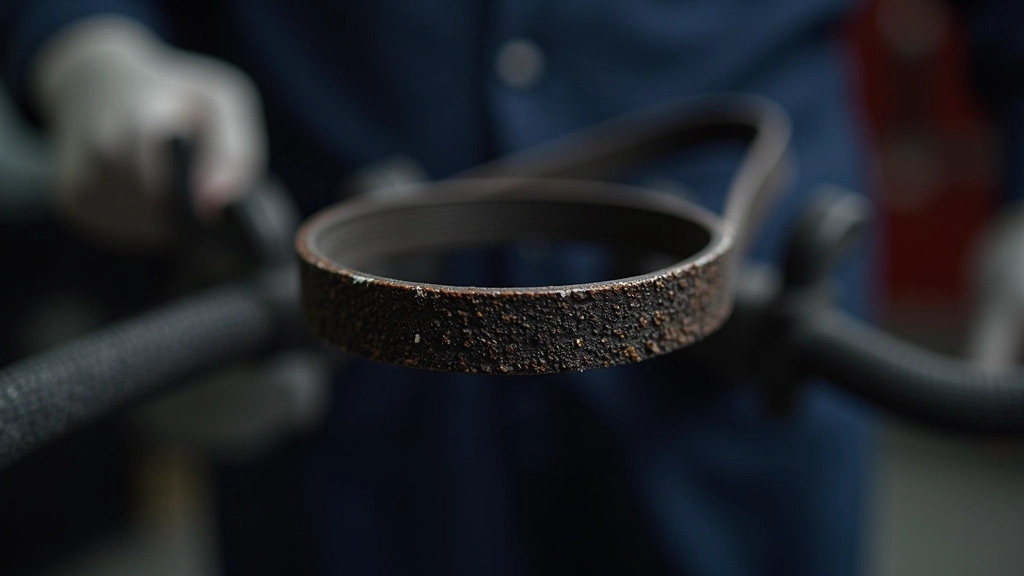
If a mechanic removes the cover during inspection, they might spot fraying, cracking, or tooth loss on the belt. Once you see this damage, replacement is urgent — you're days or weeks away from catastrophic failure.
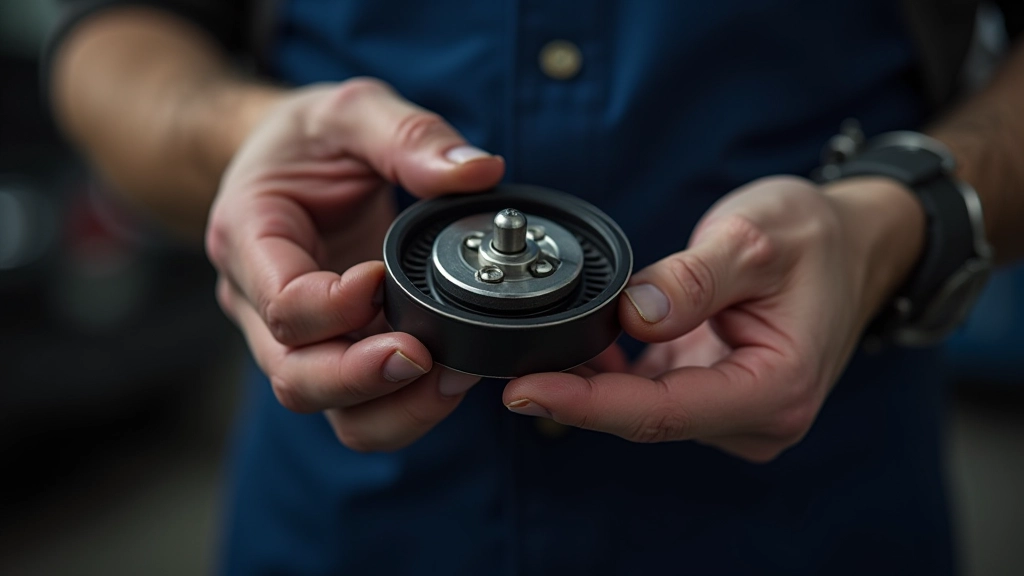
Here's the thing about timing belts — there's no universal schedule. Every manufacturer sets different intervals based on their engine design, materials, and engineering standards.
Common for older vehicles and some European imports
Standard for many Asian manufacturers
Newer vehicles with improved belt materials
Some premium brands and modern engines
Your owner's manual has the definitive answer for your specific car. Don't rely on what you read online or what a friend's vehicle requires — get your manual and look it up. You'll find the mileage interval and sometimes a time-based interval too (like every 5 years).
Editorial Team
Written by the luxiaxis editorial team, focused on clear, honest guidance about timing belt replacement and water pump service.
Timing belt replacement isn't a quick job. It's one of those maintenance procedures that requires methodical work. Here's what you're looking at.
Your mechanic drains coolant, removes the radiator, and gets the engine cool enough to work on safely. Then they unbolt the timing belt cover to access the belt.
The old belt comes off. This is when they inspect the pulleys, tensioner, and idler wheels for damage. A worn belt often damages these components too.
While they're in there, they'll replace the water pump, tensioner, and idler wheels. It's standard practice — these components wear together with the belt.
The new belt goes on and gets tensioned to manufacturer specs. The crankshaft and camshaft get aligned to exact timing marks — this is critical for engine operation.
They run the engine to confirm everything works properly. No ticking, no leaks, smooth idle. Then they reassemble everything and refill coolant.
Breaking down the differences between OEM and aftermarket parts — what matters for reliability and how to make the right choice for your vehicle.
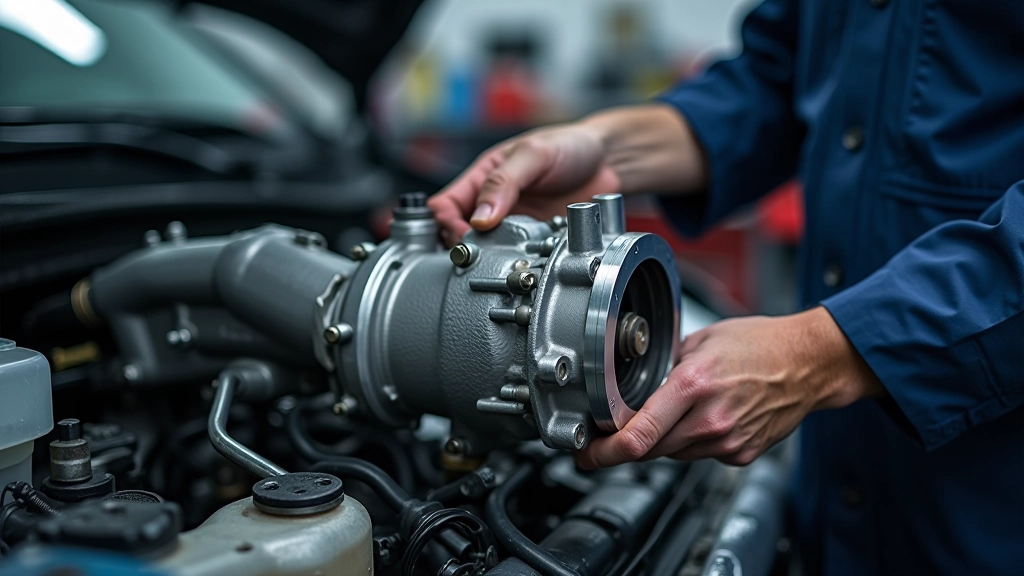
Learn why mechanics recommend replacing your water pump during timing belt service and what you need to know about this combined maintenance.
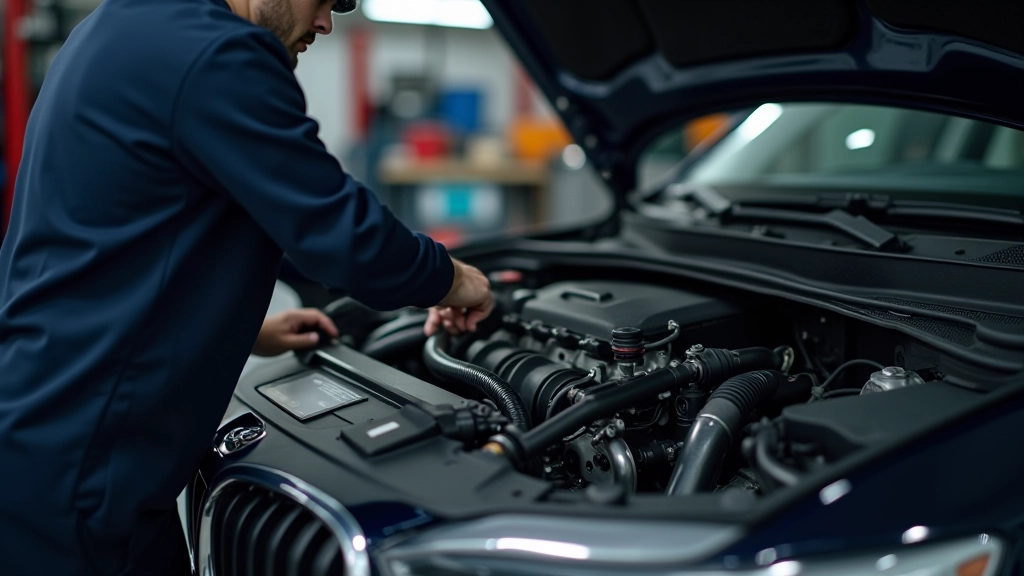
A practical breakdown of timing belt replacement costs — parts, labor, and additional services. Understand what you're paying for and why.
Your timing belt is one of those components that doesn't demand attention until it fails. And when it fails catastrophically, you're looking at major engine damage. That's why the smart move is staying ahead of the schedule.
Check your owner's manual for the exact interval, monitor for the warning signs we've covered, and don't hesitate to have it inspected if something feels off. Preventative replacement costs a fraction of what engine repairs run. We're talking hundreds of dollars for replacement versus thousands for engine damage.
If you're in Ostrava and your timing belt is approaching the interval, get it checked by a qualified mechanic. It's the smartest investment in your vehicle's reliability.
This article is for informational purposes and reflects general automotive knowledge. Specific repair procedures, costs, and timelines vary based on your vehicle's make, model, and condition. Always consult your owner's manual for manufacturer-specific intervals and recommendations. Have your vehicle inspected by a qualified mechanic for accurate diagnosis and professional guidance on timing belt replacement.